Guide · 24 November 2026 · 8 min read
Buying Melbourne Property from Singapore: The 2026 Step-by-Step Guide
How Singaporeans buy new and off-the-plan Melbourne property in 2026: FIRB approval and fees, Victorian duty, finance, documents and timelines.
By Han Dol Kim, Director, Solomon Bloom
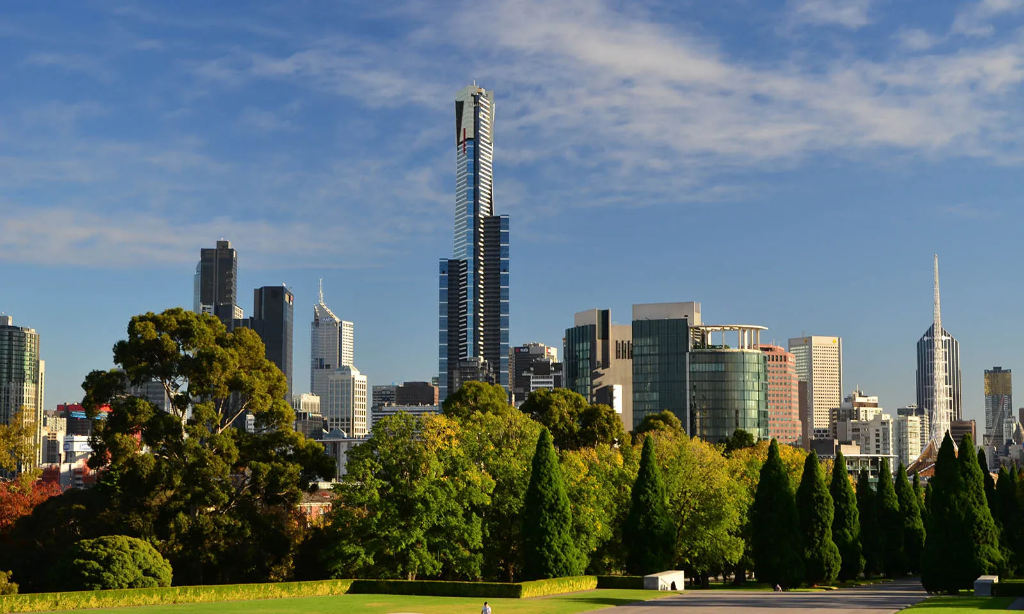
Many Singaporeans look at Melbourne because the entry costs work very differently from a second property at home. This guide walks through the whole process for a Singapore-based buyer in 2026: what you can buy, the approval you need, the government costs, how finance works, and what happens between signing and getting the keys.
Every figure below carries its source and date. Rules change, so check the latest position with your solicitor and tax agent before you sign.
Why Singapore buyers look at Melbourne
The cost of a second property in Singapore is high. A Singapore citizen buying a second residential property pays 20% Additional Buyer's Stamp Duty (IRAS, rates from 27 Apr 2023). A second housing loan is capped at 45% loan-to-value (MAS), so most of the price has to come from cash and CPF.
Melbourne is a different set of costs. Australia has no ABSD. A foreign buyer of Victorian property pays other costs instead (FIRB fees and Victorian foreign purchaser duty, covered below), and for many buyers the total still needs far less upfront capital than a Singapore second property.
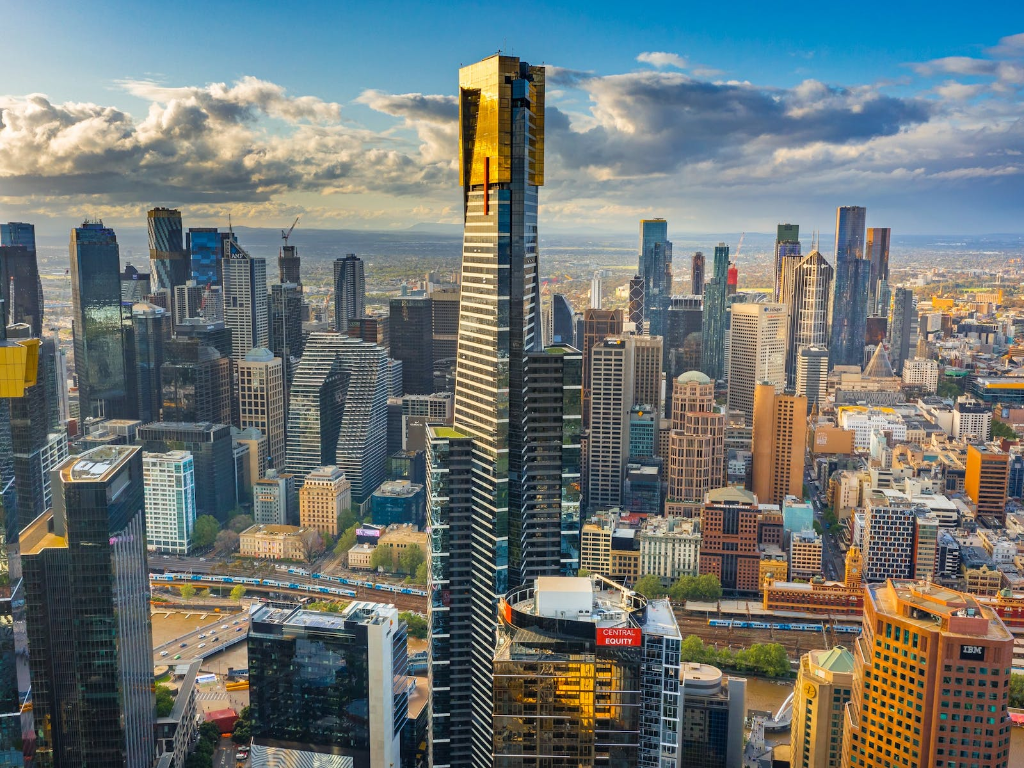
Melbourne keeps growing. Greater Melbourne added about 105,000 people in the year to June 2025, reaching 5,435,600, the largest increase of any Australian capital (ABS, Regional Population 2024–25).
Prices have eased from their peak. Melbourne home values are 7.8% below their November 2025 peak (Cotality, Nov 2026), and the median dwelling value was about $780,550 in September 2026 (Cotality, Sep 2026). For a long-term buyer, a softer market can mean more choice and room to negotiate.
Rents are still rising nationally. Annual rental growth was 5.3% nationally and the national gross yield was 3.9% (Cotality, Nov 2026). Melbourne's rental vacancy rate was 2.0% in October 2026 (SQM Research, Oct 2026), so well-located rentals still lease.
It is close and familiar. Melbourne is roughly a 7 to 8 hour flight from Singapore, contracts are in English, and title is held on a government land register.
Which properties you can buy
As a non-resident foreign person, you can generally buy:
- New dwellings, including apartments and townhouses bought off the plan or newly completed
- Vacant residential land, on the condition that you build on it
You generally cannot buy an established (second-hand) home. The federal government stopped foreign purchases of established dwellings from 1 April 2025, with limited exceptions. The 2026–27 Federal Budget announced an extension of this rule to 30 June 2029; it was originally due to end on 31 March 2027 (ATO, 2026).
In practice, this is why most Singapore buyers focus on new and off-the-plan projects, which is the part of the market Solomon Bloom works in.
Step 1: FIRB approval
Before you buy, you need foreign investment approval, applied for through the ATO's foreign investment portal and decided under the Foreign Acquisitions and Takeovers Act.
How it works
- Apply online and pay the fee. The decision period starts once the fee is paid.
- The law allows 30 days for a decision, which can be extended if more information is needed.
- You can apply for an exemption certificate before you choose a specific property, which lets you buy one new dwelling up to an approved value.
- Some developers hold a new dwelling exemption certificate for their project. If so, buyers in that project may not need their own approval. Ask the developer or your agent before you apply.
Application fees for new dwellings and vacant land, 2026–27 (Treasury Schedule of Fees, 1 Jul 2026 to 30 Jun 2027):
- Under $75,000: $4,600
- $75,000 to $1 million: $15,600
- Up to $2 million: $31,300
- Up to $3 million: $62,600
- Each further $1 million adds about $31,300
Fees are indexed every 1 July and are not refundable.
One ongoing rule: a foreign-owned home must be lived in or genuinely offered for rent for at least 183 days a year. If it is not, an annual vacancy fee applies, which is double the original application fee for vacancy years starting on or after 9 April 2024 (ATO, 2026). You also lodge a vacancy fee return each year.
Step 2: Victorian government costs
General stamp duty (land transfer duty). For a property between $130,000 and $960,000, Victorian duty is $2,870 plus 6% of the amount over $130,000 (SRO Victoria, 2026). On an $800,000 contract that is $43,070 before any concession.
Off-the-plan concession. Victoria lets all buyers of off-the-plan apartments, units and townhouses reduce the dutiable value by construction costs not yet done at contract date. The 2026–27 Victorian Budget (5 May 2026) extended this concession to April 2027, subject to legislation (Victorian Government, 2026). It reduces general duty only.
Foreign purchaser additional duty (FPAD). Foreign buyers pay an extra 8% of the dutiable value (SRO Victoria, 2026). The off-the-plan concession does not reduce FPAD. On an $800,000 contract that is $64,000.
Land tax while you own. Victorian land tax applies each year, and absentee owners pay an additional 4% of the land's taxable value on top of general land tax (SRO Victoria, from the 2024 land tax year). Note that land tax is on land value, which for an apartment is a share of the site, not the full purchase price.
Worked example: $800,000 new apartment (2026–27, before any off-the-plan concession)
- FIRB application fee: $15,600
- General duty: up to $43,070
- Foreign purchaser additional duty: $64,000
- Total government costs: up to about $122,670, plus legal fees
Step 3: Finance
You can borrow from an Australian lender or a Singapore lender. Both work, with trade-offs.
Australian lenders
- Non-resident loans come with lower loan-to-value ratios than resident loans (Canstar, Aug 2026). Broker guides in 2026 commonly put the range at about 60% to 70% for foreign income, varying by lender and currency.
- Repayments are in AUD, which matches your AUD rental income.
- Features such as offset accounts and redraw are common.
- Interest rates follow the Reserve Bank. The RBA cash rate is 4.85% after the 3 November 2026 decision (RBA, Nov 2026).
Singapore lenders
- A familiar relationship and SGD repayments.
- Loans count towards Singapore's Total Debt Servicing Ratio of 55% (MAS).
- Your repayments are in SGD while rent is in AUD, so you carry currency risk.
For off-the-plan purchases, final loan approval usually happens close to completion, so plan your finance early and keep your income documents up to date.
Step 4: Documents to prepare
Income
- Three most recent payslips and an employment letter
- IRAS Notices of Assessment for the last two years
- Two years of financials and tax returns if self-employed
Bank statements
- Three to six months of statements showing salary and savings
- Evidence of the deposit funds and where they came from
Credit
- Your Credit Bureau Singapore report
- Statements for existing loans and credit cards
Identification
- Passport and proof of address, usually certified copies
- Lenders and solicitors will complete identity checks
Step 5: From contract to keys
- Search and shortlist. Define your budget and goal, then compare projects on location, developer track record and comparable rents.
- FIRB approval. Apply early, or confirm the project's exemption certificate.
- Due diligence. Your solicitor reviews the contract and vendor statement. Check the developer's completed projects and the building's owners corporation budget.
- Sign and pay the deposit. Off-the-plan contracts commonly ask for a 10% deposit, held in trust until settlement.
- Construction period. This can run from about 12 to 36 months depending on the project. Use it to arrange your loan and appoint a property manager.
- Settlement. The balance is paid, title is registered in your name and your property manager can start leasing.
Ways to hold the property
Long-term rental. A 12-month lease with a local property manager is the simplest path for an overseas owner and keeps you clear of the vacancy fee.
Short-stay rental. Possible in some buildings, but check the owners corporation rules. Victoria charges a 7.5% short stay levy on the total booking fee for stays under 28 days, from 1 January 2025 (SRO Victoria).
Sell on completion. Some buyers resell after completion. Selling triggers Australian capital gains tax and withholding, explained in our tax guide.
FAQ
Can a Singaporean buy property in Melbourne?
Yes. A non-resident Singaporean can buy new dwellings, including off-the-plan apartments, and vacant land to build on, with FIRB approval or under a developer's exemption certificate. Established homes are generally off limits until 30 June 2029 under the extension announced in the 2026–27 Budget (ATO, 2026).
How much is the FIRB fee in 2026?
For a new dwelling between $75,000 and $1 million, the application fee is $15,600 for 2026–27. It is $31,300 up to $2 million (Treasury Schedule of Fees, 2026–27).
How long does FIRB approval take?
The law allows 30 days from payment of the fee, and this can be extended. Apply early or use an exemption certificate so it does not hold up your contract.
What extra duty do foreign buyers pay in Victoria?
Foreign purchaser additional duty is 8% of the dutiable value, on top of general stamp duty (SRO Victoria, 2026).
Can I get an Australian home loan as a non-resident?
Yes. Expect a lower loan-to-value ratio than residents get, commonly around 60% to 70% for foreign income depending on the lender (broker guides, 2026).
General information only, not financial, legal or tax advice. Get advice on your own situation before you buy.