
 Solomon Bloom
Singapore Buyer Guide
Buying Property
in Australia
A step-by-step guide from why Australia to keys in hand. Scroll to begin.
~S$100K
Entry deposit vs S$774K in SG
4.5–6%
Rental yield p.a.
7.1%
Apartment growth 2024
Why Invest in Australia?
Before diving into the process, here is why Australia makes sense for Singaporean property investors.
0%
Additional duty
No ABSD
Australia imposes zero Additional Buyer Stamp Duty. In Singapore, a second property costs an extra 20% before you begin.
10%
Deposit to enter
Lower Entry Capital
Only a 10% deposit is required to secure a property. Singapore demands 55% in cash or CPF for a second purchase.
~5%
Avg. gross yield
Strong Rental Yields
Melbourne and Perth deliver 4.5 to 6% gross rental yields, significantly above the 2 to 3% typical in Singapore.
AUD
Currency hedge
AUD Diversification
Holding AUD assets hedges against SGD concentration risk and provides meaningful currency portfolio diversification.
AAA
Sovereign rating
Strong Legal Framework
Australia has one of the world's most transparent and stable property legal systems, conducted entirely in English.
8hrs
Flight from SG
Proximity and Familiarity
A 7 to 8 hour flight from Singapore. Many Singaporeans already have family, education, or professional ties to Australia.
The key insight: Buying in Australia frees up approximately S$642,000 more capital compared to purchasing a second property in Singapore. Capital that can be redeployed, invested, or kept liquid.

Entry Cost Comparison
For a property valued at S$1,000,000. Singapore second property compared to Australian investment.
Singapore
2nd Property Purchase
Total Cash Required
S$774,600
Australia
Investment Property
Total Cash Required
S$132,000
Stamp Duty by State
Approximate figures based on an AUD $800,000 property (~S$664,000). Select a state to explore.
Highest combined duty of the three. Offset by Melbourne's superior long-term capital growth trajectory.
Total Approx. Duty
~S$98,770
AUD $119,000
Standard Stamp Duty
AUD $55,000
~S$45,650
Foreign Buyer Surcharge
AUD $64,000
8% of purchase price
Capital Freed Up by Investing in Australia
S$642,600
That is 5x more deployable capital, available to diversify or leverage further.
FIRB Approval
The Foreign Investment Review Board must approve your purchase before you can buy. It sounds complex. It is not.
Application Process
Application Fees (2024)
$15,100
~S$12,500
$30,300
~S$25,100
$57,800
~S$47,900
Some new developments have FIRB fees waived.
Common Questions
Apply for FIRB early. You can lodge an application before selecting a specific property. This saves weeks during the deal phase.
The Purchase Process
From first search to receiving your keys. Here is exactly what happens and when.
Step 1 · Weeks 1 to 4
Property Search
Work with a buyer's agent to identify properties matching your investment criteria. Yield, suburb growth, and price point all matter.
A strong buyer's agent is critical. They negotiate on your behalf and have access to off-market stock.
What Happens at This Stage
- 1Define budget and investment goals
- 2Shortlist 3 to 5 properties
- 3Review comparable sales data
- 4Pre-check with FIRB (optional)
Financing Strategy
Singaporeans can finance via local or Australian lenders. Here is how they compare.
Loan-to-Value
60 to 80%
of property value
Income Test
No TDSR
debt servicing rule
Loan Currency
AUD
repayments denominated in
Advantages
- ✓ Higher LTV available
- ✓ No TDSR constraint
- ✓ Offset accounts and redraw
- ✓ FX risk eliminated on repayments
Considerations
- · Offshore application process
- · May require local accountant
Australian Loan Features
Offset Account
Link a savings account to your mortgage. Every dollar held offsets your loan balance, reducing interest daily.
Redraw Facility
Make extra repayments and draw them back out when needed. Builds equity while maintaining liquidity.
Interest Only
Pay only interest for the first 1 to 5 years to maximize cash flow during the investment phase.

Key Documentation
Everything you need to prepare before applying. No surprises at the lender stage.
01
Income Evidence
Latest payslips for employees, or 2 years of financials and tax returns for the self-employed.
Get your NOA (Notice of Assessment) ready from IRAS. Australian lenders accept it.
02
Bank Statements
3 to 6 months of statements demonstrating regular income deposits and savings capacity.
Ensure all property-related income is clearly labeled and from verifiable sources.
03
Credit History
A copy of your Singapore Credit Bureau report. A clean credit score significantly improves LTV terms.
Request your report from CBS before applying. Lenders will check it independently.
04
Identification
Satisfactory Customer Identification Check (KYC). Valid passport and proof of address required.
Certified copies are usually acceptable. Ask your solicitor or notary to certify.
Investment Strategies
Once you own the property, choose how to make it work for you.
Resale
Purchase off-the-plan and sell upon completion, capitalizing on the growth that occurs during the construction period.
How it Works
- Purchase at pre-construction pricing
- Pay 10% deposit only during build phase
- Sell contract or settle and resell on completion
- No rental management required
Best suited for buyers with strong capital appreciation conviction and a shorter investment horizon.
Time Horizon
2 to 4 years
Risk Level
Medium
Complete Investment Management
Your One-Stop
Investment Partner
Solomon Bloom handles every aspect of your Australian property investment. From legal representation to tax optimization, we manage it all.
Property Search
Market analysis & due diligence
FIRB & Legal
Foreign investment approval
Documentation
All paperwork handled
Mortgage Brokering
Optimal financing structure
Negotiation
Contract & settlement terms
Tax Consultation
CGT & investment optimization
Ongoing Support
Property management liaison
Advocacy
Representation & guidance
Complete coverage across property search, legal representation, advocacy, mortgage brokering, tax consultation, and ongoing support. Everything you need is handled in-house.
One Trusted Partner.
Complete Peace of Mind.
Ready to Start?
Navigate Australia's Property
Market with Confidence.
Book a private consultation with Jonathan, your dedicated Australian property expert for Singaporean investors.
Request a Private Consultation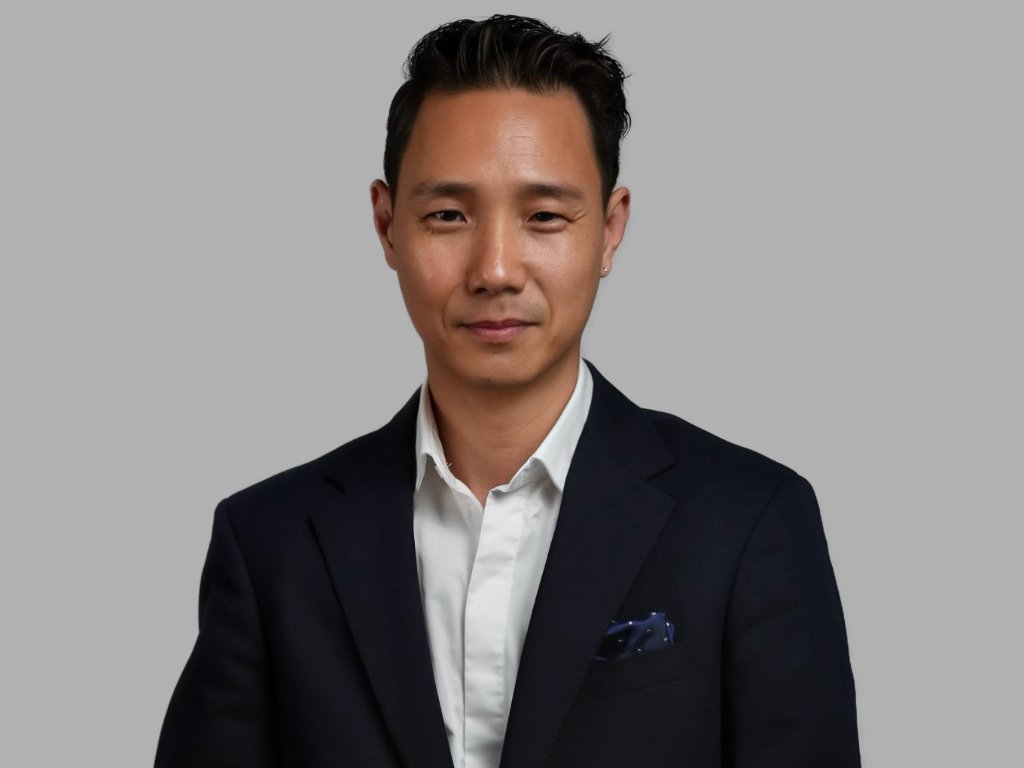
Jonathan Hwang
Australian Property Expert
Solomon Bloom© 2026 Solomon Bloom. This guide is for informational purposes only and does not constitute financial advice.